The Bankability Test: Why Capital Follows Structure, Not Speeches
Africa50’s pipeline of bankable deals shows that the real bottleneck in infrastructure is documentation and networks, not dollars, and the same failure is holding back projects in Black communities across the United States and the Caribbean.
From Concept to Bankability: Building the Legal and Financial Bench That Unlocks Infrastructure Capital
Bankable infrastructure is the real bottleneck in both African and American markets, and Africa50’s pipeline model shows how structured, documented projects pull capital into places where it would otherwise sit idle.
Africa50 is a useful case study for this community because it treats project preparation, legal work, and deal documentation as the product, not a back-office function, and that is exactly where US, African, and Caribbean operators can build leverage.
💡
The opportunity is global and local. Bankability is the missing link that connects federal and multilateral dollars to neighborhood‑level assets, and Africa50’s work shows that the gap can be closed with structure, documentation, and networks, not just aspirations.
Two continents, one bankability problem
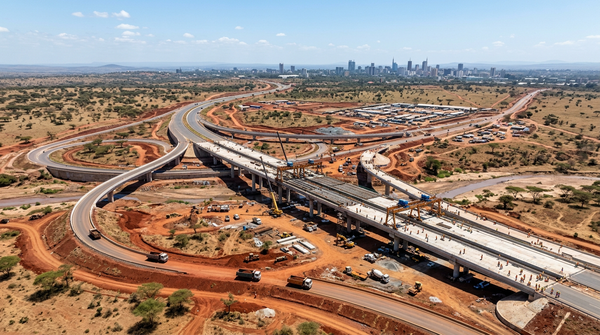
Infrastructure is underbuilt and under-maintained on both sides of the Atlantic.
The American Society of Civil Engineers estimates a 3.7 trillion dollar investment gap for US infrastructure to reach a state of good repair, even after waves of federal funding and state-level initiatives.
African policymakers and development financiers point to a 68–108 billion dollar annual infrastructure financing gap, particularly in power, transport, logistics, and digital connectivity.
World Bank and development finance analysis converge on the same point: the primary constraint is not the global supply of capital, it is the lack of investable, properly structured, bankable projects coming out of governments and local sponsors.
African infrastructure platforms, US public‑private partnership programs, and multilateral advisory desks all describe the same pattern where money is available, but deal flow that meets institutional standards is thin, slow, and geographically clustered.
This is the context in which Africa50 was created as a pan‑African infrastructure investor and asset manager, owned by 31 African countries, two African central banks, and the African Development Bank, with a mandate to close the continent’s infrastructure gap by developing and investing in bankable projects.
The platform’s design and operating model offer lessons that apply directly to underinvested US regions and Caribbean markets, where the symptoms look familiar even if the institutions are different.
Africa50’s model: bankability as a product
Africa50’s investment platform is built around two linked vehicles:
Project Development
Project Development provides early‑stage equity and project preparation capabilities, engages with stakeholders during development, and explicitly focuses on increasing the number of bankable infrastructure projects that reach financial close.